


Is Print Still Relevant In A Digital Age?
Print continues to offer trust, focus, creativity and a tactile experience that complements digital communication rather than competing with it.
In a world shaped by screens, online articles and instant communication, it can be easy to underestimate print.
In this article
Print continues to offer trust, focus, creativity and a tactile experience that complements digital communication rather than competing with it.
Yet printed material continues to provide something digital media cannot fully reproduce: a tangible, focused and sensory experience.
The Tangible Appeal of Print
Paper has texture, weight and presence. A book, brochure, card or magazine creates a physical interaction that can make information feel more deliberate and memorable.
People often skim digital content. Print encourages slower reading and deeper attention, particularly when the material has been thoughtfully designed and produced.
Print in Modern Marketing
Print remains valuable within a wider marketing strategy.
- Printed brochures and direct mail can hold attention for longer than many digital advertisements.
- Physical marketing materials can feel more established and trustworthy.
- Paper, finishing and embellishment create experiences that cannot be replicated on a screen.
- Print gives brands an opportunity to demonstrate craftsmanship and detail.
Connecting Print and Digital
Print and digital work best together.
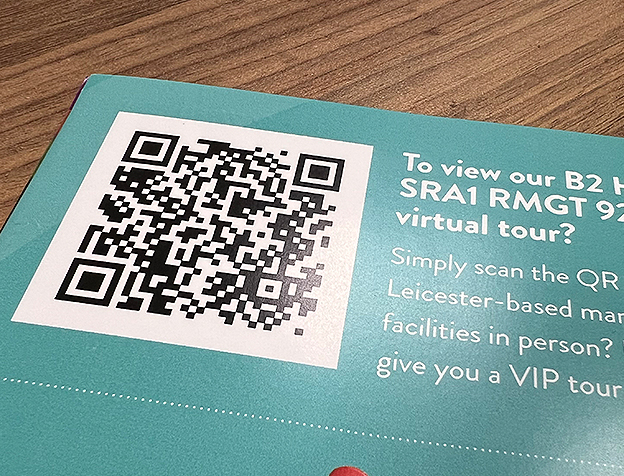
QR codes can connect cards, leaflets and brochures to videos, landing pages, forms and product information. Personalised digital printing can combine customer data with targeted physical communications.
Campaign hashtags, social links and interactive technologies can also extend a printed piece beyond the page.
A Creative Medium
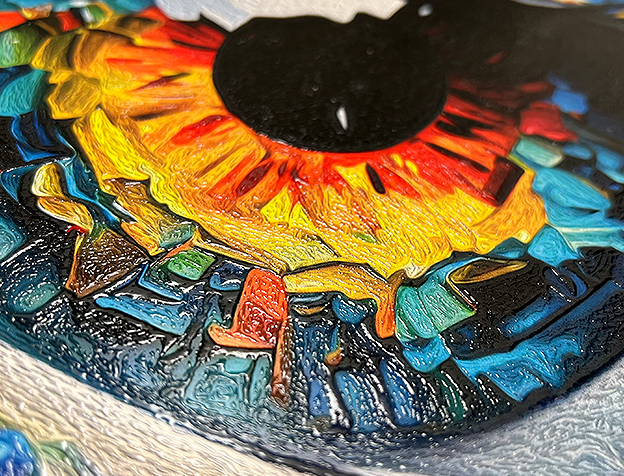
Designers can use stock, texture, colour, folding, binding, foil and Spot UV to create depth and character.
Ink behaves differently on different papers, while physical finishing can guide attention and reinforce brand identity. These creative choices make print an expressive medium rather than simply a way of reproducing information.
Sustainability and Innovation
Modern print is becoming more efficient and responsible.
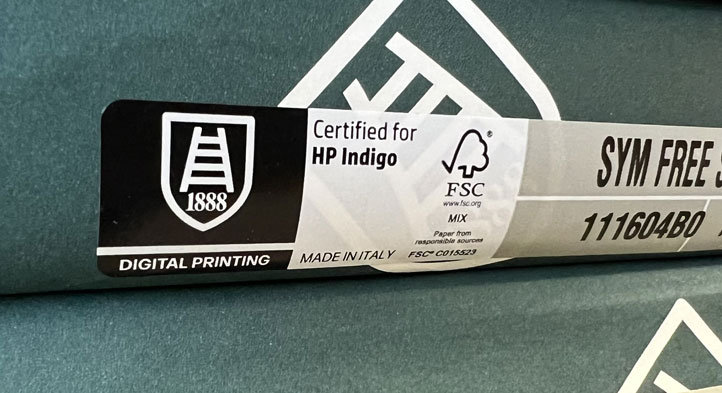
Recycled materials, FSC-certified paper, energy-efficient presses and improved waste controls are helping reduce environmental impact.
Digital printing also supports shorter, more targeted runs, reducing the need to hold large quantities of stock that may later become obsolete.
The Future of Print
Artificial intelligence, automation and personalisation will continue to influence print production.
AI can support design workflows, maintenance planning and production efficiency. Data can also be used to create more relevant printed communications for specific audiences.
Print is not standing still. It is adapting alongside digital media.
Print in Education and Literacy
Printed books and learning materials remain important because they are accessible, focused and easy to navigate.
Physical reading can reduce screen fatigue and help learners engage with longer material without notifications or other digital distractions.
Conclusion
Print is still relevant because it offers qualities that digital media cannot completely replace.
It is tactile, memorable, credible and creatively flexible. More importantly, it can integrate with digital channels to create stronger, more complete communication.
The future is not print or digital. It is print and digital working together.