


All About Paper! Different Kinds And It’s Uses
Understand the differences between gloss, silk and uncoated paper and learn how to select the right stock for different print applications.
Paper choice affects colour, texture, readability, durability and the overall impression of a printed product.
In this article
Understand the differences between gloss, silk and uncoated paper and learn how to select the right stock for different print applications.
Three of the most common options are gloss, silk and uncoated paper. Each has different strengths and is suited to different applications.
Gloss Paper
Gloss paper has a smooth, highly reflective coated surface.
It produces strong colour, sharp contrast and vibrant photographic reproduction. This makes it a popular choice for image-led marketing materials.
Common uses include:
- Promotional leaflets
- Posters
- Photo-heavy brochures
- Magazine covers
- Product catalogues
Gloss can create strong visual impact, but its reflective surface may make long sections of text less comfortable to read under bright lighting.
Silk Paper
Silk paper is coated but has a softer sheen than gloss.
It offers a balance between colour reproduction and readability. Images remain sharp and vibrant without the strong reflection associated with gloss stock.
Common uses include:
- Brochures
- Booklets
- Magazines
- Presentation documents
- High-quality marketing literature
Silk is one of the most versatile paper choices because it works well with both text and imagery.
Uncoated Paper
Uncoated paper has a natural, porous surface without a smooth coating.
It feels more tactile and is easier to write on. Colours may appear softer because ink is absorbed into the fibres rather than sitting on top of a coating.
Common uses include:
- Letterheads
- Compliment slips
- Notebooks
- Workbooks
- Novels
- Forms and stationery
Uncoated stock can convey authenticity, simplicity and a more natural aesthetic.
Understanding GSM
GSM means grams per square metre and indicates the weight of paper.
Lower GSM materials are lighter and more flexible, while higher GSM stocks generally feel thicker and more substantial.
The correct weight depends on the product, finishing method, postage requirements and desired feel.
Environmental Considerations
Responsible paper choice includes more than surface finish.
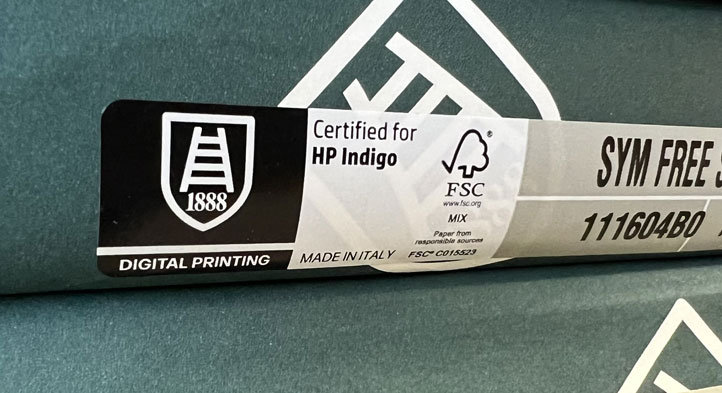
FSC-certified and recycled materials help support better sourcing. Selecting the correct quantity and an appropriate stock also reduces unnecessary waste.
Uncoated materials may be easier to recycle than laminated or heavily coated products, although local recycling requirements should always be considered.
Choosing the Right Paper
Consider the following questions:
- Is the job mainly text or imagery?
- Does the product need to be written on?
- Should it feel premium, natural or highly polished?
- Will it be folded, bound, laminated or mailed?
- What level of durability is required?
- Are sustainability and recyclability key priorities?
Conclusion
Gloss, silk and uncoated stocks all have valuable uses.
Gloss maximises colour and shine. Silk balances visual quality and readability. Uncoated paper provides a natural feel and excellent writability.
Choosing the right paper begins with understanding the purpose of the product and the experience it should create.